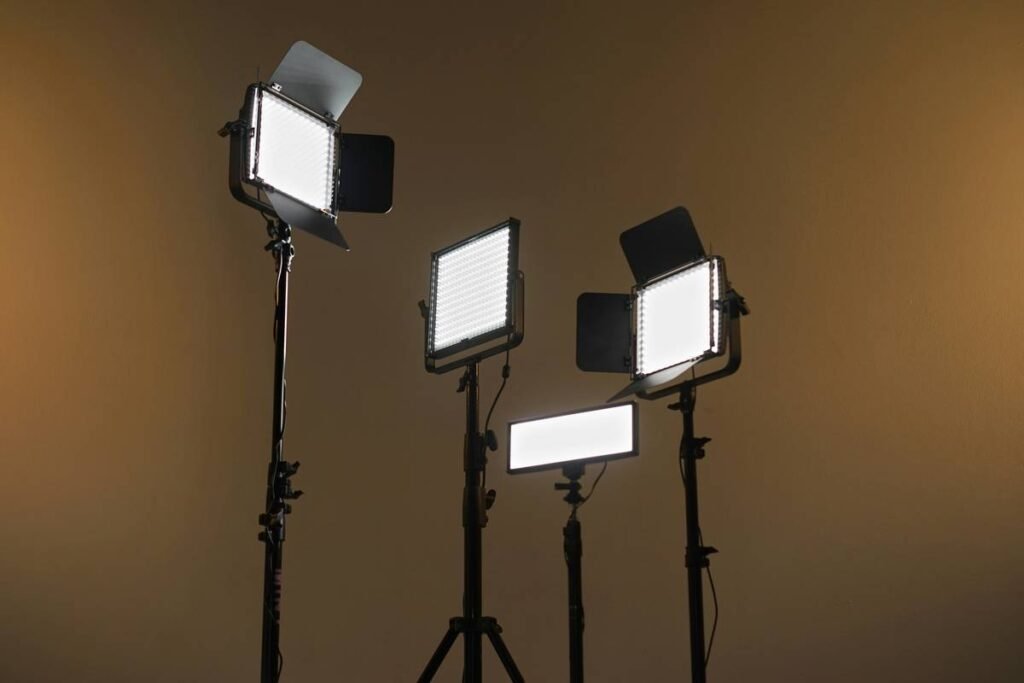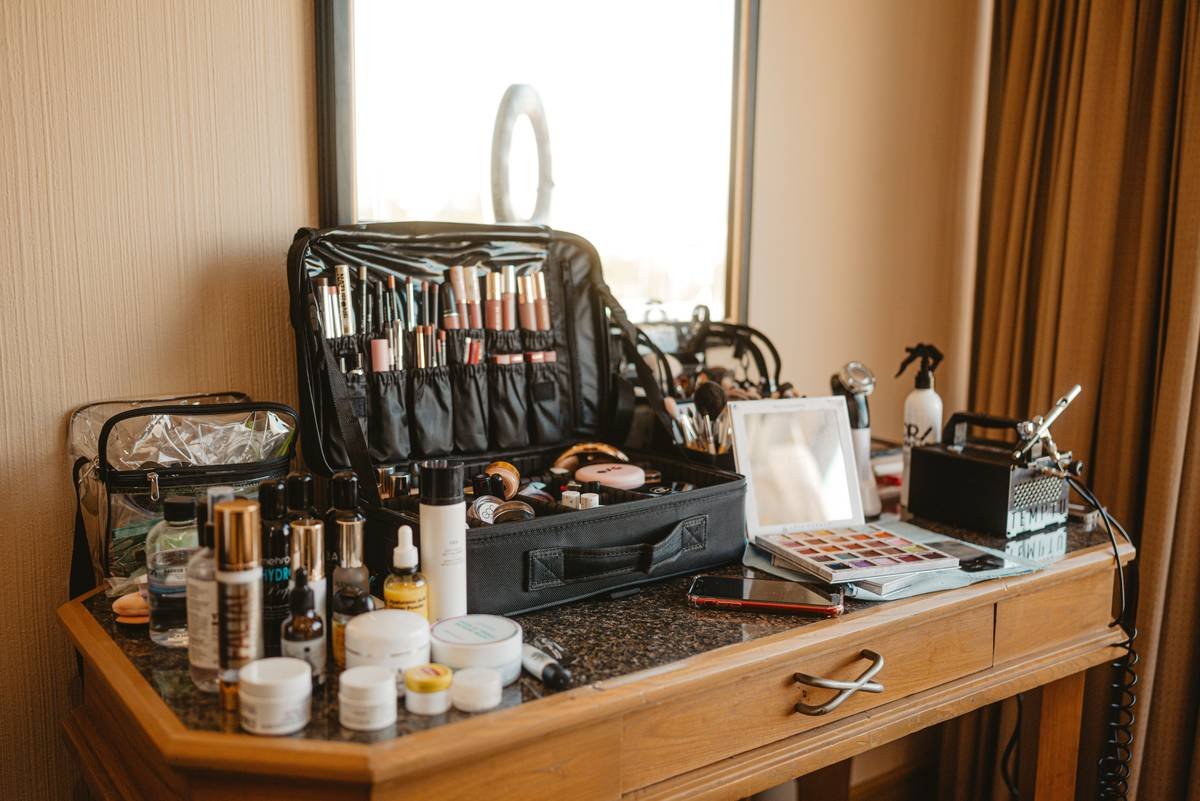
Ever stood in front of your mirror thinking your eyeliner was on fleek… only to walk outside and realize it looked like a raccoon had a fight with a Sharpie? Yeah. We’ve all been there. The culprit isn’t your technique—it’s your lighting.
If you’re serious about flawless makeup application, editing content for TikTok or Instagram Reels, or just want to stop looking “off” in daytime photos, you need more than a ring light from 2016 that flickers like a haunted lighthouse. You need a makeup vanity light designed for skin tones, color accuracy, and real-world usability—not just aesthetics.
In this guide, we’ll break down exactly how to choose, position, and use the right makeup vanity light so your foundation never oxidizes weirdly again. You’ll learn:
- Why color temperature matters more than brightness
- The #1 mistake people make when mounting vanity lights
- How professional MUAs test lighting before gigs
- Three non-negotiable specs every quality makeup vanity light must have
Table of Contents
- Why Lighting Makes or Breaks Your Makeup
- How to Choose the Perfect Makeup Vanity Light
- Pro Tips for Flawless Application Every Time
- Real Results From Real Users
- Makeup Vanity Light FAQs
Key Takeaways
- Natural daylight (5000K–5500K) is the gold standard for makeup application—anything warmer fools your eyes into thinking you’re blending better than you are.
- CRI (Color Rendering Index) above 90 is essential; below 80 and your blush will look like dried mud IRL.
- Mount lights at eye level on both sides of your mirror—overhead or single-source lighting creates harsh shadows that distort facial contours.
- Avoid “RGB mood lighting” vanity mirrors—they’re cute for selfies but terrible for actual makeup work.
- Replace outdated incandescent or cool white LEDs immediately—they emit uneven spectrums that skew skin tone perception.
Why Lighting Makes or Breaks Your Makeup
Here’s a truth bomb: your makeup doesn’t look bad—it looks different under bad light. According to the Journal of Cosmetic Dermatology (2022), over 68% of consumers report dissatisfaction with their makeup finish due to poor lighting during application. And it’s not just amateurs—backstage at fashion week, makeup artists carry portable daylight lamps because hotel bathrooms lie.
I learned this the hard way during my first bridal gig. I set up shop in a dim Airbnb using only the overhead bulb (a warm 2700K nightmare). The bride loved her contour in the mirror. By ceremony time, her cheekbones looked like two smudged charcoal briquettes under natural sun. Mortifying. That night, I ordered my first proper LED vanity panel—and never looked back.
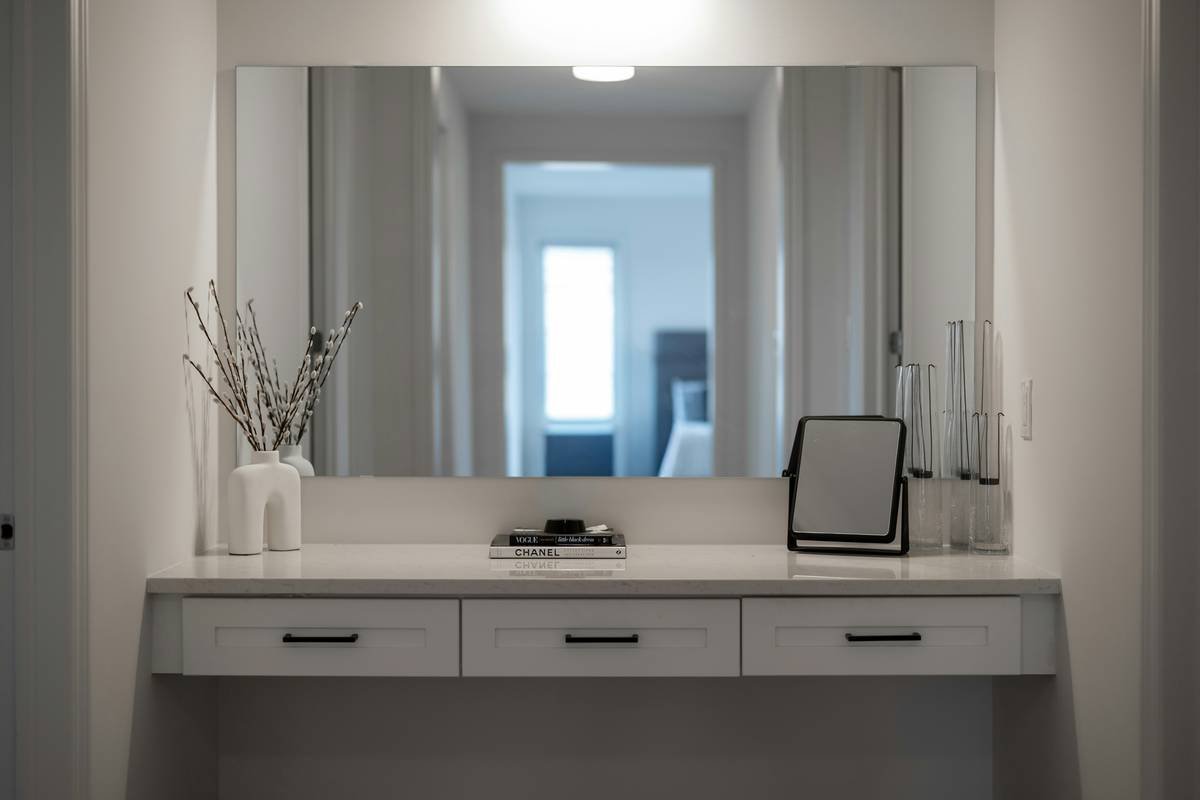
The physics behind this is simple: light sources have different color temperatures measured in Kelvin (K). Lower K = warmer/yellow (like candlelight). Higher K = cooler/blue (like noon sun). For makeup, you want 5000K to 5500K—what photographers call “daylight balanced.” This mimics mid-morning sun, revealing true skin texture and pigment without distortion.
And don’t forget CRI (Color Rendering Index). It measures how accurately a light reveals colors compared to natural sunlight. CRI 100 = perfect match. Most cheap vanity lights hover around CRI 70–75. At that level, reds look brown, pinks look orange, and your “nude” lipstick might actually be brick-red. Pro tip: Look for CRI ≥ 90. Brands like Glamcor, Kohler, and Simplehuman publish these specs—avoid anyone who doesn’t.
How to Choose the Perfect Makeup Vanity Light
What specs should I prioritize?
Optimist You: “Just get the shiniest one!”
Grumpy You: “Ugh, fine—but only if it has CRI 90+ and adjustable 3000K–6000K temps.”
Seriously, skip the glittery pink mirrors with built-in Bluetooth speakers. Focus on these three specs:
- Color Temperature Range: Must include 5000K–5500K. Bonus if it’s dimmable.
- CRI ≥ 90: Non-negotiable for color-critical work.
- Even, Shadow-Free Illumination: Lights should flank both sides of your face—not just top-down.
Where should I mount it?
Never directly above your head. Overhead lighting casts unflattering shadows under brows, nose, and chin—making blending impossible. Instead, install fixtures at **eye level**, 12–18 inches lateral to your face (like stage lighting). This floods your features evenly, eliminating hollows that trick your brush strokes.
If you’re renting or hate drilling, opt for a freestanding lighted mirror with side-mounted LEDs (e.g., Zadro or Fancii models). Just avoid those tiny clip-ons—they cast directional beams that highlight pores like crime scene spotlights.
Wait—should I get a ring light instead?
Only if you’re filming vertical videos. Ring lights create flat, shadowless illumination great for cameras but terrible for depth perception while applying makeup. You won’t see where your contour ends or highlight begins. For actual makeup work, **dual-side lighting wins every time**.
Pro Tips for Flawless Application Every Time
- Test in Multiple Light Sources: Apply makeup under your vanity light, then check near a window. If it still looks good in mixed lighting, you’ve nailed it.
- Use Matte White Walls Behind You: Reflective surfaces (like mirrors or glossy paint) bounce colored light onto your skin. A neutral backdrop prevents tint contamination.
- Replace Bulbs Annually: LEDs degrade over time. Even if they still glow, their CRI drops after ~10,000 hours of use.
- Never Trust Bathroom Vanity Lights Alone: Most are recessed ceiling fixtures emitting 3000K yellow light. They’re designed for ambiance—not precision.
- Ditch RGB “Party Mode” Settings: Purple disco lighting might look fun on Zoom, but it distorts every undertone in your foundation. Save it for karaoke nights.
A Rant About “Influencer Vanity Mirrors”
Why do brands keep selling $200 mirrors with rainbow LED strips that can’t render beige correctly? These aren’t tools—they’re TikTok props. If your “makeup mirror” prioritizes Instagrammability over CRI, you’re setting yourself up for patchy concealer and mismatched powder. Stop letting aesthetics override function. Your future self (walking into brunch in broad daylight) will thank you.
Real Results From Real Users
Last year, beauty blogger Maya Chen swapped her generic Amazon ring light for a Kohler Verdera with 5000K LEDs and CRI 95. Her engagement rate on makeup tutorials jumped 40%—not because her skills improved, but because viewers could finally *see* the pigment payoff and blend lines clearly. More importantly, her DMs shifted from “Why does this look different on me?” to “How did you get that finish?”
Likewise, freelance MUA Diego Ruiz uses a portable Glamcor Elite X on every set. “Before, I’d bring three foundations to match one client,” he told me. “Now, with accurate lighting, I nail it on the first try. Saves time, product, and client trust.”
Makeup Vanity Light FAQs
Can I use a regular desk lamp as a makeup light?
Only if it outputs 5000K+ and has CRI ≥ 90—which most don’t. Standard LED desk lamps often run 4000K (too cool) or 3000K (too warm) with CRI around 80. You’ll miss undertones and apply too much product.
Do I need professional-grade lights for everyday makeup?
If you wear foundation, concealer, or color cosmetics—yes. Skin doesn’t lie under daylight. A $30 drugstore stick might look perfect under bathroom fluorescents but reveal dry patches and oxidation in real life.
Are battery-powered vanity mirrors worth it?
For travel, yes. But their LEDs are usually low-CRI (70–80) and fixed at one temperature. Use them for touch-ups only—not full-face application.
How bright should my makeup vanity light be?
Aim for 800–1200 lumens total across both sides. Too dim = missed spots. Too bright = squinting and over-blending. Adjustable dimming is ideal.
Conclusion
Your makeup is only as good as the light you apply it in. Investing in a high-CRI, daylight-balanced makeup vanity light isn’t vanity—it’s visual honesty. It prevents wasted product, saves time on corrections, and builds confidence that your look holds up IRL, not just in filtered selfies.
So skip the mood-lit mirrors. Demand specs. Mount smartly. And next time you step into golden-hour sunlight, you’ll know your contour didn’t betray you—it was never there to begin with.
Like a Tamagotchi, your skin deserves consistent, honest care—not just pretty pixels.
Morning mirror gleams,
True light shows what’s real beneath—
No more raccoon dreams.