You spend hours perfecting your contour. Yet your photos look flat, shadowed, or washed out. You blame the camera, the filter, even your foundation—but not the real culprit: bad light. Most beauty lighting kits mimic convenience-store fluorescents or sunset Instagram filters. They don’t reveal how you actually look in daylight. What if your “studio-quality” ring light is lying to you?
Beauty Lighting Kits Lie—Here’s Why
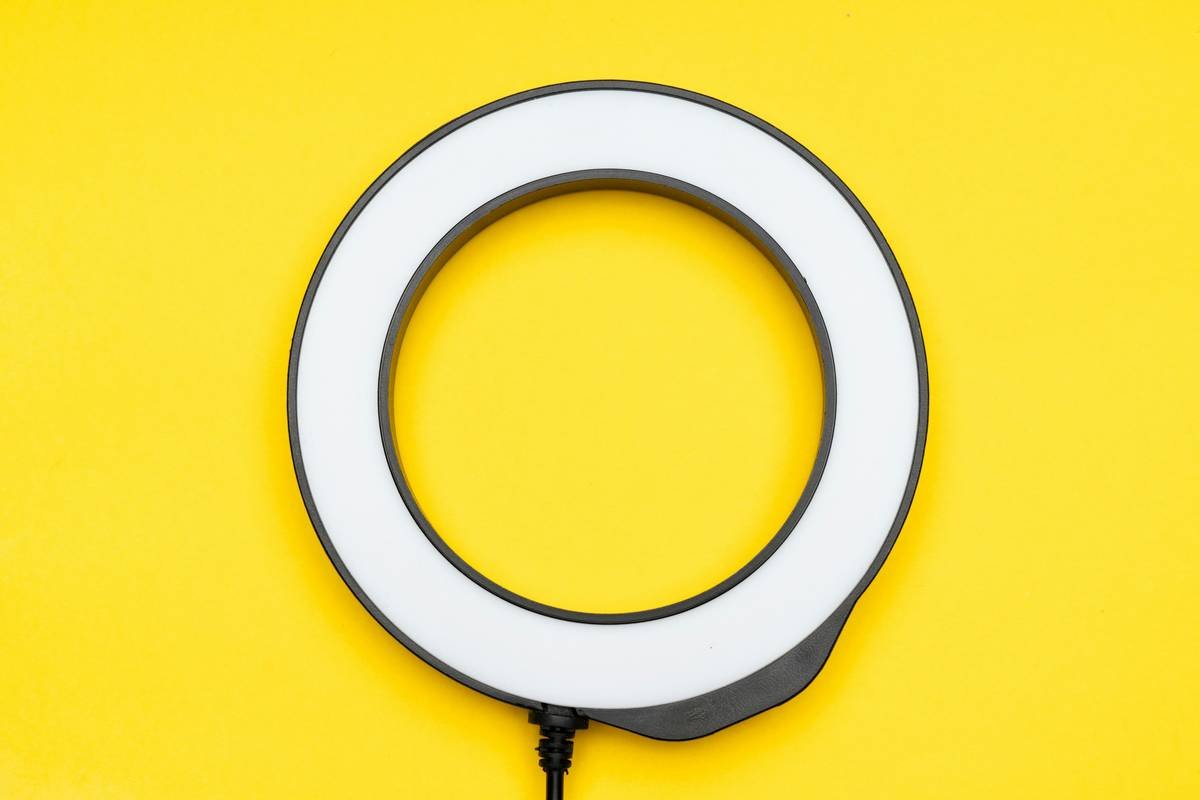
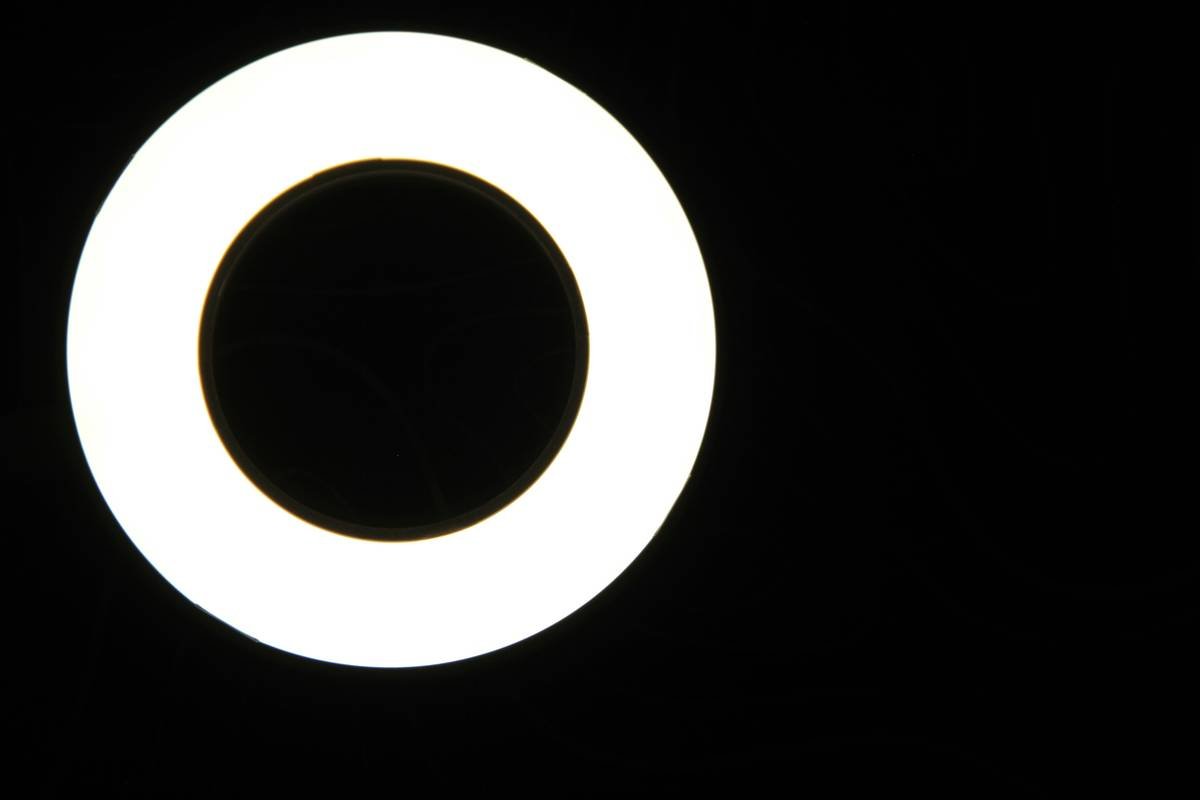
Standard beauty lights are engineered for virality, not veracity. They flood your face with a narrow color spectrum—usually 5600K cool white—that erases subtle undertones and flattens dimension. And that popular ring shape? It eliminates natural shadows, which means you might blend your bronzer into oblivion before realizing it vanishes under office lighting.
But here’s the kicker: human skin needs full-spectrum illumination to reflect true texture and tone. Most drugstore “beauty lighting kit” bundles skimp on CRI (Color Rendering Index) ratings below 80—far from the 95+ needed for professional makeup accuracy.
How to Choose—and Use—a Real Beauty Lighting Kit
Forget gimmicks. Build your setup like a pro colorist would.
CRI Over Lumens Every Time
Brightness doesn’t equal truth. Prioritize lights with CRI ≥90 and TLCI ≥95. These metrics guarantee pigments behave as they would in natural noon sun—not a LED tunnel.
Ditch Symmetry for Directional Light
Rig two adjustable panels at 45° angles—one slightly brighter than the other. This mimics window light and reveals where blush should actually sit. Ring lights? Keep them for video calls only.
Test Under Multiple Color Temperatures
Your makeup must survive warm indoor bulbs (2700K), overcast days (6500K), and midday sun (5500K). Switch between temps during application to avoid orange-toned disasters.
| Light Type | Average CRI | Best For | Cost Range |
|---|---|---|---|
| Ring Light (Budget) | 70–78 | Vlogging only | $15–$40 |
| Single Panel LED | 85–89 | Basic selfies | $50–$90 |
| Dual-Panel Beauty Lighting Kit | 90–98 | Professional makeup application | $120–$250 |
| Natural Daylight (Reference) | 100 | Gold standard | Free |
The Industry Secret: Light Placement Beats Light Power
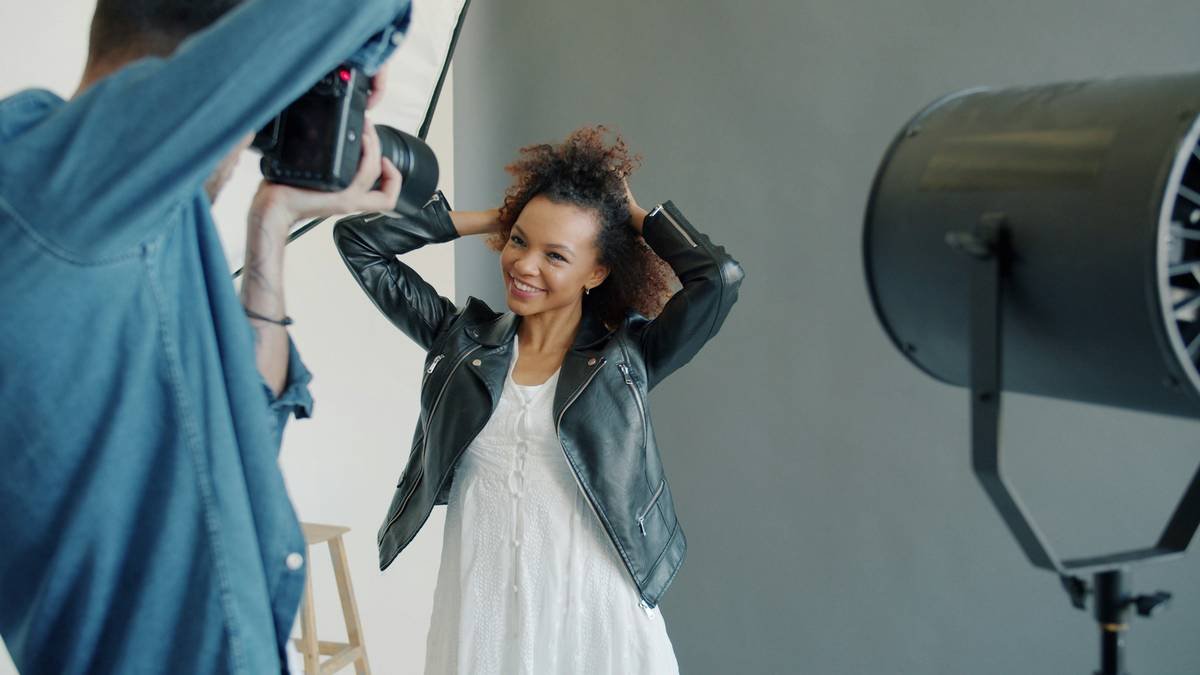
Top MUAs don’t rely on one fixture—they choreograph light like stage directors. The secret? Position your key light **above eye level**, angled downward. This casts subtle nose and cheekbone shadows that reveal where highlighter belongs—and where concealer ends up caking. Most kits encourage placing lights at face level because it flatters in 2D… but ruins 3D depth perception. You’re not applying makeup for a Zoom tile. You’re crafting a living canvas. And sunlight never comes from chin height.
Frequently Asked Questions
What makes a beauty lighting kit “professional”?
CRI ≥90, adjustable color temperature (2700K–6500K), and directional flexibility—not just brightness or ring shape.
Can I use natural light instead of a beauty lighting kit?
Only if you control time and weather. Morning and late afternoon sun cast warm, uneven glows. A calibrated kit delivers consistency rain or shine.
Do phone ring lights work for makeup?
Rarely. They lack intensity, have low CRI, and flatten facial topography. Great for TikTok—terrible for blending foundation.